- Tel: +86 13451474678 / 13451474678
- Email: / hbzinanmech@gmail.com

soil preparation machine
In modern agriculture, the efficiency and precision of land preparation are paramount for maximizing yield and ensuring sustainable farming practices. Among the critical equipment in this domain, the hydraulic rotary tiller stands out as a sophisticated solution for superior soil conditioning. This article delves into the technical intricacies, application advantages, and market dynamics surrounding this essential agricultural implement, catering to B2B decision-makers and agricultural engineers seeking advanced tillage solutions. Industry Trends in Advanced Tillage Systems The agricultural sector is undergoing a significant transformation, driven by demands for increased productivity, environmental sustainability, and operational efficiency. Key trends influencing the design and adoption of tillage equipment include: Precision Agriculture Integration: Modern tillers are increasingly integrated with GPS and sensor technologies, allowing for variable depth and speed control, optimizing soil preparation based on real-time field data. Hydraulic System Adoption: The shift from purely mechanical to electro-hydraulic control systems offers unparalleled precision, responsiveness, and overload protection. This enhances the adaptability of equipment like the hydraulic rotary tiller to diverse soil conditions and terrains. Soil Health and Conservation: Emphasis is placed on tillage practices that minimize soil disturbance, prevent erosion, and preserve organic matter, leading to the development of specialized tines and adjustable working parameters. Automation and Autonomy: While still emerging, autonomous tractors and implements are pushing manufacturers to design equipment compatible with advanced control systems, reducing labor dependency and human error. Durability and Longevity: With rising equipment costs, there's a strong market demand for robust machinery built with wear-resistant materials and engineered for extended service life, reducing downtime and total cost of ownership. These trends underscore the importance of investing in advanced and reliable equipment like a quality rotary tiller , capable of meeting the rigorous demands of contemporary farming. The Manufacturing Process of a Hydraulic Rotary Tiller The production of a high-performance hydraulic rotary tiller involves a multi-stage manufacturing process, emphasizing precision engineering, material science, and rigorous quality control. This ensures the equipment delivers optimal performance, durability, and safety in challenging agricultural environments. Key Process Steps: Design and Engineering: Utilizing CAD/CAE software for structural analysis, hydraulic system design, and kinematic simulations to optimize performance and material usage. Material Sourcing and Preparation: High-grade structural steel (e.g., Q345B, ST52-3) for frames, wear-resistant steel (e.g., Boron steel, 65Mn) for blades/tines, and specialized alloys for gears and hydraulic components. Materials undergo rigorous inspection for chemical composition and mechanical properties. Cutting and Shaping: Automated laser cutting or plasma cutting machines precisely cut steel plates according to design specifications. Bending machines form complex structural components. Welding: Robotic or skilled manual welding processes (MIG/MAG) are employed, often with pre-heating and post-weld treatments to ensure strong, durable joints free from stress concentrations. Welding standards typically adhere to ISO 3834. CNC Machining: Critical components such as gearbox housings, shafts, hydraulic cylinder parts, and bearing seats are manufactured using advanced CNC machining centers. This ensures tight tolerances, geometric accuracy, and superior surface finishes, which are vital for mechanical efficiency and longevity. Heat Treatment: Tiller blades, gears, and other wear parts undergo specialized heat treatment processes (e.g., carburizing, quenching, tempering). This enhances their hardness, wear resistance, and toughness, significantly extending their service life in abrasive soil conditions. Assembly: Sub-assemblies (e.g., gearboxes, hydraulic units, three-point hitch systems) are integrated into the main frame. Hydraulic lines, electrical systems, and safety guards are installed. Surface Treatment and Painting: Components are thoroughly cleaned, pre-treated (e.g., phosphating), and then coated with durable, corrosion-resistant paints (e.g., powder coating, epoxy primers with polyurethane topcoats). This protects against rust and chemical exposure, crucial for agricultural machinery. Quality Control and Testing: Each rotary tiller undergoes rigorous testing. This includes: Hydraulic system pressure testing (to ANSI/NFPA standards). Functional testing of PTO drive, hydraulic flipping mechanism, and depth control. Vibration analysis and noise level checks. Durability tests under simulated load conditions. Adherence to ISO 9001 for quality management systems and ISO 16230 for agricultural machinery safety. This meticulous process ensures a service life of 10-15 years or more with proper maintenance, making the hydraulic rotary tiller a reliable asset for various agricultural applications, including row cropping, orchard management, vineyard maintenance, and land reclamation projects. Technical Specifications and Parameters Understanding the technical specifications of a hydraulic rotary tiller is crucial for matching it to the specific requirements of a tractor and the intended application. Here, we present typical parameters for a high-performance unit, such as the 1LF Series Hydraulic Flipping Plow. Typical Product Specification Table: Parameter Value Range Unit Model Series (e.g., 1LF) 1LF-220 to 1LF-300 - Working Width 2.2 - 3.0 Meters Working Depth 150 - 300 MM Matching Power (Tractor HP) 80 - 180 HP PTO Speed 540 / 720 / 1000 RPM Number of Blades/Tines 54 - 72 (C-type or L-type) Pieces Total Weight 850 - 1200 KG Hitch Type Three-point linkage (Cat II/III) - Hydraulic System Pressure 160 - 200 Bar Hydraulic Flipping Angle Up to 90 degrees Degrees The "flipping" capability, as seen in the 1LF Series, allows the implement to hydraulically rotate, facilitating easier headland turns, obstacle avoidance, and simplified transport, significantly improving operational fluidity and safety, especially for a three point hitch rototiller for sale . Application Scenarios and Operational Efficiency The versatility of the hydraulic rotary tiller makes it indispensable across a spectrum of agricultural operations, offering robust performance in diverse soil and crop conditions. Primary Tillage: Breaking up tough, compacted soils after harvest, preparing fields for subsequent planting. The powerful hydraulic system ensures consistent penetration. Secondary Tillage and Seedbed Preparation: Creating a fine, uniform seedbed essential for optimal seed-to-soil contact and germination. Precise depth control is critical here. Weed Control: Effectively burying weeds and crop residues, reducing reliance on chemical herbicides. Soil Amendment Incorporation: Uniformly mixing fertilizers, compost, and other soil conditioners into the active root zone, enhancing nutrient availability. Orchard and Vineyard Management: Narrow-profile and offset models are ideal for working between rows without damaging trees or vines, managing weeds and improving soil aeration. Land Reclamation and Site Preparation: For tough, previously uncultivated land, the robust build and powerful action can break down challenging terrain, preparing it for agricultural use or landscaping. The operational efficiency gains stem from its ability to perform multiple tasks in a single pass, reduce fuel consumption through optimized power transfer, and minimize operator fatigue with ergonomic controls and superior stability. Technical Advantages of Hydraulic Systems in Tillage The integration of hydraulic systems elevates the performance of rotary tillers beyond traditional mechanical designs, offering several distinct advantages: Precision Depth and Level Control: Hydraulic cylinders allow for infinite adjustment of working depth on the fly, ensuring uniform tillage across uneven terrain. This precision reduces skips and overlaps, optimizing seedbed consistency. Enhanced Overload Protection: Hydraulic systems inherently provide a cushioning effect against sudden impacts or obstructions. In case of extreme resistance, the hydraulic pressure can be automatically relieved, preventing damage to the tiller or tractor drivetrain, common issues with a standard rotary tiller . Increased Maneuverability and Versatility: Features like hydraulic side-shift and the aforementioned hydraulic flipping mechanism (as in the 1LF Series) dramatically improve maneuverability in tight spaces, at headlands, or around obstacles. This flexibility is crucial for varied field geometries. Reduced Maintenance and Wear: Hydraulic components typically have fewer moving parts exposed to external elements compared to mechanical linkages. This results in reduced friction, less wear, and lower maintenance requirements over the long term. Optimized Power Transfer: Hydraulic power transmission can be more efficient in certain applications, providing consistent torque and speed to the rotor even under fluctuating load conditions, leading to better fuel economy. Improved Operator Comfort and Safety: Controls are often lighter, smoother, and more intuitive, reducing operator fatigue. Integrated safety features within hydraulic circuits also enhance operational safety. These advantages collectively contribute to a higher quality of tillage, increased operational efficiency, and a longer lifespan for the equipment. Vendor Comparison and Selection Criteria When considering a three point hitch rototiller for sale , particularly a hydraulically advanced model, evaluating potential vendors is crucial. Beyond initial purchase price, several factors influence the long-term value and operational success: Build Quality and Materials: Scrutinize the type of steel used (e.g., high-tensile steel for frames, boron steel for blades), weld integrity, and component quality (e.g., brand of gearbox, hydraulic cylinders). Premium materials translate to extended service life and reduced wear. Certifications and Standards: Look for manufacturers adhering to international quality management (ISO 9001) and safety standards (e.g., CE, ANSI/ASAE S207). This signifies commitment to quality and safety. After-Sales Support and Parts Availability: A robust support network, readily available spare parts, and skilled technicians are vital for minimizing downtime. Inquire about lead times for critical components. Technological Integration: Assess the sophistication of hydraulic controls, optional automation features, and compatibility with modern tractor systems. Reputation and Experience: Vendors with a long history in agricultural machinery and positive customer feedback often offer more reliable products and services. ZinAnMech, for instance, leverages years of experience in manufacturing robust agricultural implements. Warranty and Guarantees: Understand the warranty period, what it covers, and the process for claims. This is a testament to the manufacturer's confidence in their product. Tailored Solutions for Diverse Agricultural Needs Recognizing that no two farming operations are identical, leading manufacturers offer customized solutions for their hydraulic rotary tiller models. This adaptability ensures optimal performance regardless of specific crop requirements, soil types, or operational scales. Blade Configuration: Options include C-type blades for general tillage, L-type for deep soil penetration, and specialized straight or curved blades for specific residue management or cover crop incorporation. Working Width Variations: A range of working widths are available to match tractor horsepower and field size, from compact models for vineyards to wide models for large-scale crop production. Rear Roller/Packer Options: Different types of rear rollers (e.g., cage roller, packer roller, toothed roller) can be fitted to achieve desired soil consolidation and finish for various seedbed requirements. Hydraulic Offset and Tilt: Beyond basic flipping, advanced hydraulic systems can provide lateral offset for working close to fences or under trees, and tilt functions for contour following on sloped terrain. Integrated Seeding Attachments: Some models can be combined with seed drill attachments, allowing for single-pass tillage and seeding, saving time and fuel. Collaborating with experienced manufacturers allows farmers to configure a rotary tiller that precisely addresses their unique operational challenges and agronomic goals. Application Case Studies Real-world applications demonstrate the tangible benefits of integrating a high-quality hydraulic rotary tiller into farming operations: Case Study 1: Large-Scale Grain Farm in the Midwest, USA A large grain farm operating over 5,000 acres faced challenges with inconsistent seedbed quality and high fuel consumption from multiple tillage passes. Implementing a 1LF-300 series hydraulic rotary tiller with a 3-meter working width allowed them to: Reduce tillage passes from three to a single pass for seedbed preparation. Achieve a uniform soil tilth and depth of 200mm, critical for consistent corn and soybean germination. Decrease fuel consumption by an average of 15% per acre due to optimized power transfer and fewer passes. Improve overall planting efficiency by 20% by reducing time spent on land preparation. Case Study 2: Vineyard in Napa Valley, CA A premium vineyard struggled with weed management and soil compaction between vine rows, requiring labor-intensive manual weeding or damaging chemical applications. By deploying a specialized narrow-profile hydraulic rotary tiller with hydraulic side-shift: They achieved effective mechanical weed control without damaging delicate vine roots or irrigation lines. Soil aeration improved significantly, leading to better water infiltration and nutrient uptake. Labor costs for weeding were reduced by 40%, enhancing profitability. The hydraulic flipping feature simplified headland turns in tight vineyard spaces, minimizing downtime. Ensuring Trustworthiness: FAQ, Lead Time, Warranty & Support Frequently Asked Questions (FAQ) Q: What is the typical service life of your hydraulic rotary tillers? A: With proper maintenance and operation, our tillers are designed for a service life of 10-15 years, thanks to high-grade materials and robust construction. Q: How do I choose the correct working width for my tractor? A: The ideal working width depends on your tractor's horsepower. Generally, for every 10-15 HP, you can handle approximately 0.5 meters of working width. Our sales team can provide precise recommendations based on your tractor's specifications. Q: Are spare parts readily available? A: Yes, we maintain a comprehensive inventory of spare parts for all our models, ensuring quick dispatch and minimal downtime for our customers. Critical wear parts like blades are always in stock. Q: Can the hydraulic system be adapted to different tractor models? A: Our hydraulic systems are designed for universal compatibility with standard tractor hydraulic outlets. Specific hose lengths and quick couplers can be customized as needed. Lead Time & Fulfillment Standard models typically have a lead time of 4-6 weeks from order confirmation, depending on current production schedules. Customized solutions may require an additional 2-3 weeks for engineering and specialized component sourcing. We ensure efficient logistics and strive for timely delivery to minimize impact on your operational planning. Expedited shipping options are available upon request. Warranty Commitments All our rotary tiller products, including the 1LF Series Hydraulic Flipping Plow, come with a standard 12-month warranty covering manufacturing defects and material failures from the date of purchase. Extended warranty options are available. Our warranty reflects our confidence in the quality and reliability of our engineering and manufacturing processes. Customer Support Our dedicated customer support team is available via phone and email to provide technical assistance, operational guidance, and spare parts inquiries. We offer comprehensive after-sales service, including troubleshooting support and maintenance advice, to ensure your equipment operates at peak performance throughout its lifespan. Training sessions for operation and routine maintenance can also be arranged. Conclusion The hydraulic rotary tiller represents a significant advancement in agricultural tillage technology. Its precision control, robust construction, and adaptability to diverse farming conditions offer unparalleled efficiency and contribute substantially to improved soil health and crop yields. By choosing a technologically advanced and reliably manufactured three point hitch rototiller for sale , agricultural enterprises can enhance their operational profitability and secure sustainable growth in an evolving industry. References American Society of Agricultural and Biological Engineers (ASABE) Standards. International Organization for Standardization (ISO) 9001: Quality Management Systems – Requirements. International Organization for Standardization (ISO) 16230-1: Agricultural machinery – Safety of rotary power tillers – Part 1: Hand-held power tillers. Journal of Agricultural Engineering Research. Various articles on soil tillage and machinery efficiency. Hydraulics & Pneumatics Magazine. Technical articles on hydraulic system design and applications.
-
0YEARS IN THE FIELD
-
0 KEXPERIENCED STAFFS
-
-
-
0 kACCOMPLISHED PROJECT
-
0SATISFIED CLIENTS
-
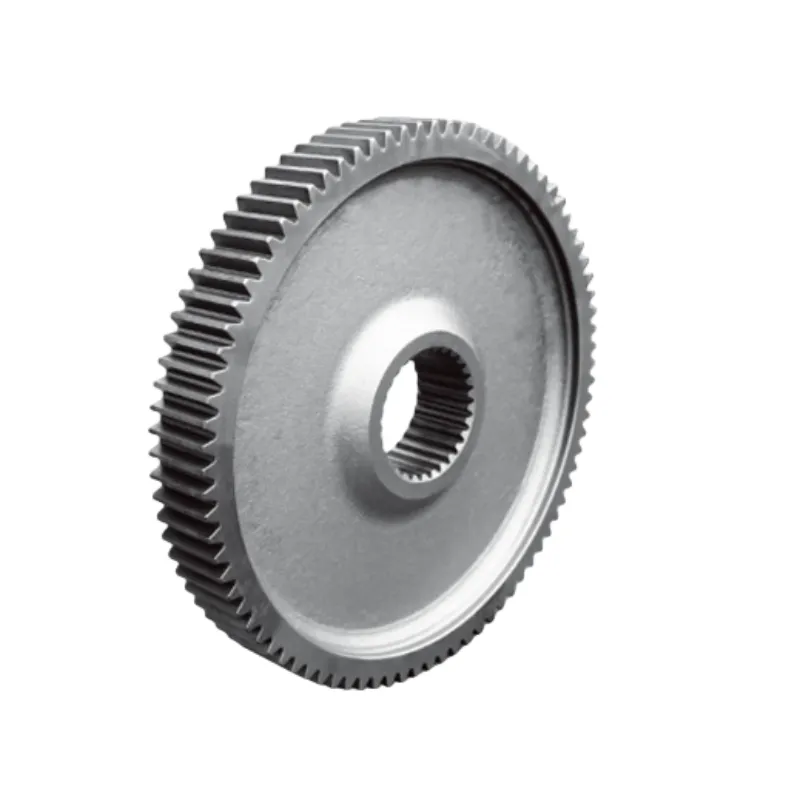
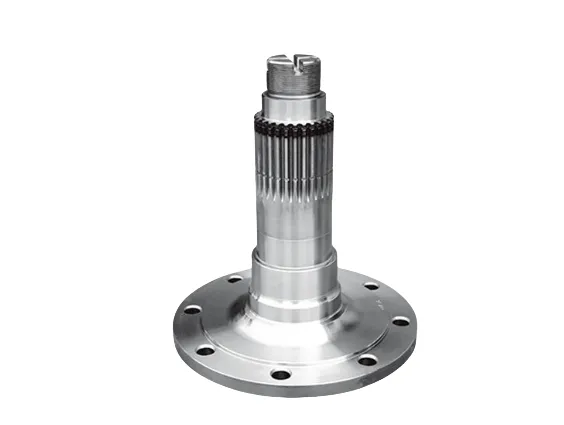
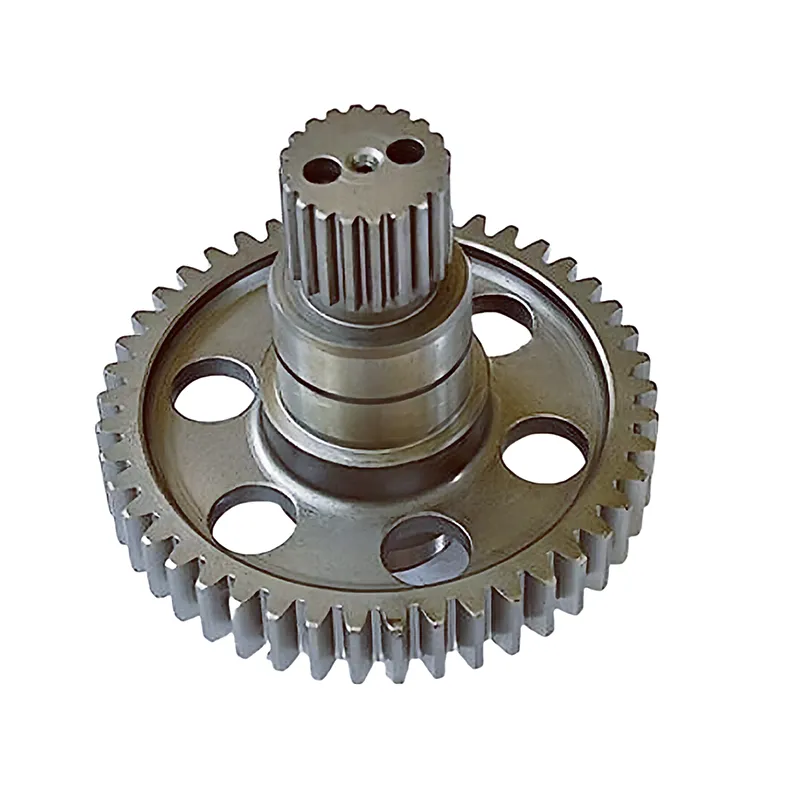
01The Application of Agricultural Machinery Gears In The IndustryAgricultural machinery gears are widely used in the agricultural machinery industry. In tractors, gears are applied to the transmission system. They can transmit the power from the engine to the wheels and achieve different speeds and torques through different gear combinations, so as to adapt to various working conditions such as plowing and transportation.
-
02Application of ComponentsIn agricultural machinery, the gearbox is mainly used to change the transmission ratio. Taking a tractor as an example, when the tractor needs to drive slowly in the field to cultivate the land and other operations, the gearbox can transmit the power of the engine through a lower transmission ratio, thereby outputting a larger torque to ensure that the agricultural machine has enough power to drive the agricultural implement for deep farming and other operations.
-
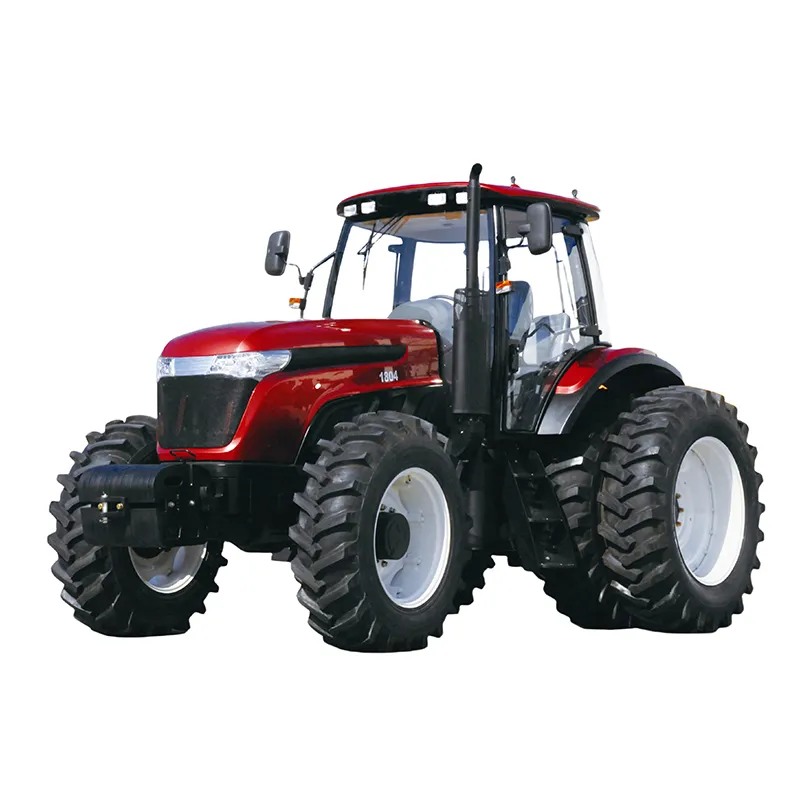
03Application of Agricultural MachineryField operations: Tractors are one of the most important power machines in agricultural production. In cultivated land operations, it can use powerful power to drive ploughshares to till the land by mounting ploughs to turn, break and level the soil, creating good soil conditions for sowing. For cultivator operations, it can mount cultivators to perform operations such as weeding, loosening and soil cultivation during crop growth to promote the growth of crop roots and nutrient absorption.
International layout
Spread all over the world
Our agricultural machinery products have won wide recognition and trust in the global market, and our sales network covers many countries and regions.

-
2026-04-05 03:54High Performance Chain Drive Rear Axle for Semi Trucks and Heavy Duty VehiclesZinan Technology Co., Ltd. | Official Website | Tel/WhatsApp: +86 13451474678 | Email: hbzinanmech@g>
-
2026-04-05 02:53Pneumatic High Speed Seeder-Zinan Technology Co., Ltd._Precision Seeding&High-Speed PlantingIntroduction The Pneumatic High Speed Seeder represents a groundbreaking advancement in agricultural>

-
2026-04-05 02:25Pneumatic High-Speed Seeder-Zinan Technology_Air-Blown Seeding&High-Speed FarmingThe Pneumatic High-Speed Seeder from Zinan Technology Co., Ltd. represents a groundbreaking advancem>
Sign up
for Newsletter
Subscribe to the weekly newsletter for all the latest updates